Best Forex Pairs to Trade When Using Leverage Trading


Posted on March 16, 2026 by AlexSmith

The foreign exchange market has become one of the most accessible financial markets in the world. Many traders enter this market because it offers opportunities to trade currencies with flexibility and liquidity. One important concept that traders must understand is what is leverage trading and how it affects their positions in the market. At the same time, selecting the best forex pairs to trade is equally important for managing risk and achieving consistent trading performance. When traders combine proper knowledge of leverage with the right currency pairs, they can build a more structured and controlled trading approach.

In forex trading, leverage allows traders to control larger positions with a smaller amount of capital. This opportunity can increase potential returns but also increases the importance of choosing currency pairs carefully. Understanding the relationship between leverage and currency pair behavior can help traders improve their decision-making and manage their trades more effectively.

Understanding What Is Leverage Trading in Forex

To understand how leverage works, traders must first learn what is leverage trading in the context of the forex market. Leverage trading is a system that allows traders to open positions that are larger than the amount of money they have deposited in their trading account. This means a trader can control a larger trade size while only committing a smaller margin.

For example, if a trader uses leverage, they can enter a larger position in the market than their account balance would normally allow. While this increases potential profits, it also increases potential losses. Because of this, traders need to approach leverage trading carefully and use proper strategies to manage their exposure.

Leverage trading is commonly used in forex because currency markets often move in smaller increments compared to other financial markets. By using leverage, traders can make meaningful gains even from relatively small price movements. However, responsible use of leverage is essential for maintaining long-term trading stability.

Why Choosing the Best Forex Pairs to Trade Matters

Selecting the best forex pairs to trade is one of the most important decisions a trader can make. Different currency pairs behave differently depending on factors such as liquidity, volatility, and global economic conditions. Some pairs move smoothly and predictably, while others may experience sudden and unpredictable fluctuations.

When using leverage trading, these characteristics become even more significant. Highly volatile currency pairs may create large price swings that can quickly affect leveraged positions. On the other hand, stable and liquid pairs tend to move more consistently, making them easier to analyze and manage.

The best forex pairs to trade often include major currency pairs that are widely traded in the global forex market. These pairs generally provide strong liquidity and consistent trading activity throughout the day. This allows traders to enter and exit positions more easily while managing leveraged trades effectively.

Characteristics of the Best Forex Pairs to Trade

The best forex pairs to trade often share several important characteristics that make them attractive to traders using leverage trading. One of the most important characteristics is liquidity. High liquidity means there are many buyers and sellers in the market, allowing trades to be executed quickly without significant price disruptions.

Another important factor is predictable market behavior. Some currency pairs tend to follow clearer trends and respond more consistently to technical analysis and economic news. These patterns help traders make more informed decisions when entering leveraged trades.

Volatility is also an important element when choosing forex pairs. While moderate volatility can create opportunities for profit, extremely volatile pairs may increase the risk associated with leverage trading. Traders often prefer pairs that provide a balanced level of movement that allows for opportunities without excessive risk.

How Leverage Trading Influences Pair Selection

When traders understand what is leverage trading, they also recognize how leverage influences their choice of currency pairs. Since leverage amplifies both profits and losses, traders must pay close attention to the behavior of the currency pairs they trade.

Pairs that move steadily and maintain consistent trends can be more manageable for traders who use leverage. These pairs often allow traders to apply strategies such as trend following, breakout trading, or support and resistance analysis. Because leverage increases the size of the trade, even smaller price movements can generate noticeable results.

In contrast, currency pairs that experience sudden spikes or unpredictable price swings may present additional risk when combined with leverage. This is why understanding pair characteristics is essential before applying leveraged strategies.

Developing a Strategy for Leveraged Forex Trading

A successful approach to leveraged trading requires a structured strategy. Traders should combine their knowledge of what is leverage trading with careful selection of the best forex pairs to trade. This approach helps maintain balance between opportunity and risk management.

One key part of a strategy is defining entry and exit points before opening a trade. Traders often use technical analysis tools to identify market trends and potential price levels. These tools help determine when to enter a leveraged trade and when to close the position.

Risk management is another essential component. Traders often set stop-loss levels to limit potential losses if the market moves in an unexpected direction. This practice helps protect trading capital and maintain discipline during leveraged trading.

Consistency is also important. Traders who repeatedly focus on the best forex pairs to trade can develop a deeper understanding of how those pairs behave under different market conditions. Over time, this experience allows traders to refine their strategies and improve their trading performance.

Benefits of Combining Leverage with the Right Forex Pairs

When traders combine leverage trading with carefully selected currency pairs, they create a more balanced trading environment. The right combination allows traders to take advantage of market opportunities while maintaining control over their positions.

One benefit is improved efficiency in trading. Since leverage increases trade size, traders can participate in the market with smaller capital while still engaging in meaningful trades. This allows traders to diversify their strategies and explore different market conditions.

Another benefit is the ability to focus on well-structured trading plans. When traders consistently work with the best forex pairs to trade, they can develop specialized strategies that align with the behavior of those pairs. This familiarity helps improve decision-making and trade execution.

Conclusion

Understanding what is leverage trading and selecting the best forex pairs to trade are two essential elements of successful forex trading. Leverage offers traders the ability to control larger positions and participate more actively in the market. However, the effectiveness of leverage depends heavily on the currency pairs being traded.

By focusing on liquid, stable, and widely traded currency pairs, traders can create a more manageable trading environment. This approach allows them to apply leveraged strategies more confidently while maintaining a structured risk management plan.

In the forex market, knowledge and preparation are key. Traders who combine a clear understanding of leverage with thoughtful pair selection can build stronger trading strategies and navigate the market with greater confidence.

0

Unlocking Wealth Through Index Futures: A Comprehensive Guide to Trading America’s Most Popular Market Indices


Posted on December 26, 2025 by AlexSmith

The financial markets offer countless opportunities for traders seeking to build wealth and achieve financial independence. Among the most exciting and accessible instruments available today are index futures, which allow traders to participate in the movements of major stock market indices without owning individual shares. These powerful financial tools have revolutionized how both institutional and retail traders approach the markets.

Understanding micro nasdaq futures has become essential for modern traders who want to capitalize on the technology sector's incredible growth and volatility. The Nasdaq index, heavily weighted toward tech giants, provides exceptional trading opportunities for those who understand its unique characteristics and behavior patterns.

The Rise of Index Futures Trading

Index futures emerged in the 1980s as innovative financial instruments designed to help investors hedge portfolio risk and speculate on market direction. Since their introduction, these contracts have grown exponentially in popularity, becoming some of the most actively traded instruments in the world.

The appeal of index futures lies in their simplicity and efficiency. Rather than analyzing dozens or hundreds of individual stocks, traders can focus on broader market trends and economic factors that influence entire indices. This approach simplifies decision-making while still providing exposure to diversified baskets of stocks.

Modern trading platforms have made index futures accessible to individual traders with modest account sizes. The introduction of micro contracts has further democratized access, allowing traders to participate with significantly reduced capital requirements while still benefiting from the same price movements as larger contracts.

Understanding the Nasdaq Index

The Nasdaq Composite Index represents one of the most dynamic and exciting markets in the world. Dominated by technology companies, including giants like Apple, Microsoft, Amazon, Google, and Meta, the Nasdaq tends to exhibit higher volatility than other major indices. This volatility creates abundant opportunities for skilled traders who understand how to navigate rapid price movements.

Technology stocks often react strongly to earnings reports, product announcements, regulatory news, and broader economic data. The concentrated nature of the index, with a handful of mega-cap stocks representing significant weightings, means that news affecting these companies can move the entire index substantially.

The Nasdaq's trading patterns often differ from other indices. Technology stocks tend to attract growth-oriented investors who may react more emotionally to news and sentiment shifts. Understanding these behavioral patterns helps traders anticipate potential moves and position themselves accordingly.

Trading hours for Nasdaq futures extend well beyond regular stock market hours, providing opportunities to react to overnight news and global market developments. This extended access proves particularly valuable when significant announcements occur outside regular trading sessions.

The Power of Micro Futures Contracts

Micro futures contracts have transformed index trading by reducing the capital requirements dramatically. These smaller contracts, typically one-tenth the size of standard E-mini contracts, allow traders to implement sophisticated strategies without committing substantial capital to single positions.

For new traders, micro contracts provide an excellent way to experience real market dynamics with limited financial risk. The psychological experience of trading real money differs significantly from paper trading, and micro contracts offer a bridge between simulation and full-sized trading.

Experienced traders also benefit from micro contracts through improved position sizing flexibility. Rather than being forced into round lot positions, traders can fine-tune their exposure more precisely, implementing more sophisticated risk management strategies.

The margin requirements for micro contracts make futures trading accessible to accounts that previously couldn't participate in this market. This democratization has brought fresh participants and liquidity to the futures markets, benefiting all traders through tighter spreads and improved execution.

The S&P 500: America's Benchmark Index

While the Nasdaq focuses primarily on technology, the S&P 500 represents a broader cross-section of the American economy. This index includes 500 of the largest publicly traded companies across all sectors, making it the most widely followed benchmark for overall market health.

The S&P 500's diversification means it typically exhibits lower volatility than the Nasdaq, though it still provides ample trading opportunities. Major economic releases, Federal Reserve decisions, and geopolitical events all influence this index, creating predictable patterns around scheduled announcements.

Many traders prefer the S&P 500 for its stability and predictability. The index's broad representation means individual company news rarely causes dramatic index movements, allowing traders to focus on macroeconomic factors and technical analysis without worrying about single-stock surprises.

The relationship between different indices provides additional trading insights. When the Nasdaq significantly outperforms or underperforms the S&P 500, it often signals shifts in market sentiment between growth and value orientations. Observant traders use these divergences to inform their positioning decisions.

Developing a Trading Strategy for Index Futures

Successful index futures trading requires a systematic approach built on solid analytical foundations. Traders must decide whether to focus on technical analysis, fundamental analysis, or some combination of both. Each approach has merits, and many successful traders integrate multiple methodologies.

Technical analysis for index futures involves studying price charts, identifying patterns, and using indicators to predict future movements. Support and resistance levels, trend lines, moving averages, and momentum oscillators all provide valuable information about potential price direction and optimal entry and exit points.

Fundamental analysis focuses on economic data and its potential impact on index values. Employment reports, inflation figures, GDP growth, corporate earnings, and Federal Reserve policy all influence index movements. Understanding how markets typically react to different types of data helps traders position themselves ahead of major announcements.

Sentiment analysis represents another valuable tool for index futures traders. Surveys of investor confidence, options market positioning, and fund flow data all provide insights into market psychology. Extreme sentiment readings often precede market reversals, alerting contrarian traders to potential opportunities.

Risk Management Essentials

The leverage inherent in futures trading magnifies both potential profits and potential losses. This reality makes risk management absolutely essential for long-term survival and success. Without proper risk controls, even skilled traders can experience devastating losses that end their trading careers.

Position sizing represents the foundation of sound risk management. Traders should never risk more than a small percentage of their account on any single trade. This approach ensures that losing streaks, which inevitably occur, don't destroy trading capital before performance can recover.

Stop-loss orders provide crucial protection against unexpected adverse moves. While no trader enjoys taking losses, disciplined stop-loss execution prevents small losses from becoming catastrophic ones. The best traders accept losses as a normal cost of doing business and focus on maintaining favorable risk-reward ratios over time.

Correlation awareness helps traders avoid concentrated risk. Trading multiple index futures simultaneously may feel like diversification, but these instruments often move together during significant market events. Understanding these correlations prevents inadvertent overexposure during volatile periods.

The Psychology of Successful Trading

Technical skills and market knowledge alone don't guarantee trading success. The psychological challenges of trading often prove more difficult to overcome than analytical challenges. Fear, greed, overconfidence, and revenge trading all undermine performance for traders who haven't developed emotional discipline.

Developing a trading plan and following it consistently helps remove emotion from trading decisions. When rules are established in advance during calm, rational periods, traders can execute them during stressful market conditions without being swayed by momentary emotions.

Maintaining realistic expectations also supports psychological health. Trading is not a get-rich-quick scheme, and expecting immediate success sets traders up for disappointment and poor decision-making. Approaching trading as a long-term skill development process leads to better outcomes than seeking instant gratification.

Regular self-assessment through trading journals helps identify psychological patterns that may be undermining performance. Recording not just trades but the thoughts and emotions accompanying them reveals valuable insights about areas requiring improvement.

Building Long-Term Success

Sustainable trading success comes from continuous learning and adaptation. Markets evolve constantly, and strategies that worked yesterday may not work tomorrow. Successful traders remain students of the markets throughout their careers, always seeking to improve their understanding and refine their approaches.

Community engagement accelerates learning for many traders. Discussing ideas with other traders, whether online or in person, exposes traders to different perspectives and methodologies they might not discover independently. However, traders must remain discerning about the quality of advice they receive and always test ideas before implementing them.

For those ready to expand their trading horizons beyond technology-focused instruments, learning how to invest in s&p 500 futures provides exposure to the broader American economy and creates additional opportunities for portfolio diversification and profit generation.

Conclusion

Index futures trading offers tremendous opportunities for dedicated traders willing to invest in education, practice, and continuous improvement. Whether focusing on the technology-heavy Nasdaq or the broadly diversified S&P 500, traders can find approaches that match their personalities, schedules, and financial goals. Success requires patience, discipline, and commitment, but those who persevere can achieve remarkable results in these dynamic and exciting markets. The journey toward trading mastery begins with a single step, and the resources available today make that first step easier than ever before.


0

Beginner’s Guide to the MT5 Trading Platform for Prop Firm Traders


Posted on December 22, 2025 by AlexSmith


If you’re stepping into the world of prop firm trading, one thing becomes clear very quickly: the platform you use can either make your journey smoother or add unnecessary friction. For most modern prop firms, that platform is MetaTrader 5. Whether you’re preparing for your first evaluation or already trading a funded account, understanding how MT5 works—and how prop firms expect you to use it—is absolutely essential.

This guide is written specifically for prop firm traders, not casual retail traders. We’ll break things down simply, avoid over-technical jargon, and focus on what actually matters when you’re trading someone else’s capital.

Why Most Prop Firms Prefer MT5

There’s a reason MT5 has become the go-to platform across the prop trading industry. Prop firms need transparency, accuracy, and risk control—and MT5 delivers on all three.

Unlike older platforms, MT5 allows firms to:

  • Track real-time risk exposure
  • Monitor execution speed and slippage
  • Enforce drawdown rules automatically
  • Analyze trader behavior in detail

For traders, this means fewer gray areas. Your performance is measured exactly as it appears on your screen—no hidden tricks.

Getting Comfortable with the MT5 Interface

When you first open MT5, the interface might feel overwhelming. Charts, tabs, numbers everywhere. The key is knowing what actually deserves your attention.

Here are the core sections you’ll use daily as a prop trader:

  • Market Watch – Displays tradable instruments (Forex, indices, commodities, crypto)
  • Chart Window – Where all your technical analysis happens
  • Navigator – Indicators, expert advisors (EAs), and scripts
  • Terminal – Trades, exposure, account history, and alerts

You don’t need to master everything at once. Prop firms value consistency far more than complexity.

MT5 Charts: Keep Them Clean and Functional

One of the biggest mistakes beginners make is overloading charts with indicators. In prop firm trading, clarity beats clutter every time.

Start with:

  • One or two timeframes (e.g., H1 and M15)
  • A clean candlestick chart
  • Basic tools like support/resistance or moving averages

As you grow more confident, you can refine your setup—but remember: prop firms care about rule compliance, not flashy charts.

Order Execution on MT5: Precision Matters

MT5 offers multiple order types, including:

  • Market orders
  • Limit orders
  • Stop orders
  • Stop-limit orders

For prop firm traders, precision is critical. One accidental oversized position or late stop-loss placement can violate firm rules instantly.

Always double-check:

  • Lot size
  • Stop-loss placement
  • Take-profit levels

MT5’s one-click trading feature is convenient, but only use it once you’re confident and disciplined.

Using the MT5 Trading Platform in a Prop Firm Environment

When trading with a prop firm, MT5 becomes more than just software—it’s your performance record. Every action you take is logged.

This is where the MT5 trading platform truly shines for serious traders. Its built-in reporting, execution transparency, and risk visibility make it easier to stay within firm rules while focusing on good trading decisions.

Many traders fail prop firm challenges not because their strategy is bad, but because they don’t fully understand how MT5 reflects drawdown, floating loss, and daily limits in real time.

Risk Management: The Heart of Prop Firm Trading

Prop firms don’t expect perfection. They expect discipline.

MT5 helps you manage risk through:

  • Real-time equity tracking
  • Margin monitoring
  • Position sizing accuracy
  • Trade history analysis

Successful traders treat MT5 like a risk dashboard, not a gambling terminal. If your equity curve stays smooth, prop firms stay happy.

Why Platform Discipline Attracts the Best Prop Firm Opportunities

Your platform behavior matters more than most traders realize. Prop firms analyze:

  • How often you overtrade
  • Whether you move stop-losses
  • Your average risk per trade
  • Emotional decision-making patterns

Trading calmly and consistently on MT5 is exactly what separates amateurs from traders trusted by a best prop firm like FundingPips.

Prop firms want traders who protect capital first and chase profits second.

Demo vs Live Conditions on MT5

Even though most prop firm challenges start on demo accounts, MT5 behaves very similarly to live conditions—especially with reputable firms.

Still, you should prepare for:

  • Slight execution differences
  • Psychological pressure once capital is on the line
  • Faster decision-making requirements

Practicing properly on MT5 before your evaluation builds confidence when it matters most.

Common Beginner Mistakes to Avoid on MT5

Let’s save you from some costly lessons:

  • Trading too many instruments at once
  • Ignoring swap and commission details
  • Forgetting news events
  • Overusing indicators
  • Not journaling trades

MT5 gives you all the tools—you just need to use them wisely.

Final Thoughts: MT5 as Your Long-Term Trading Partner

For prop firm traders, MT5 isn’t just a platform—it’s your professional workspace. The better you understand it, the more confidently you’ll trade under pressure.

Master the basics, respect the rules, and let your performance speak for itself. With discipline, patience, and the right setup, MT5 can become the foundation of a long and profitable prop trading career.


0

Best Futures Trading Platform and Trading S&P 500 Futures: Choosing the Right Tools for Maximum Profit


Posted on November 17, 2025 by AlexSmith

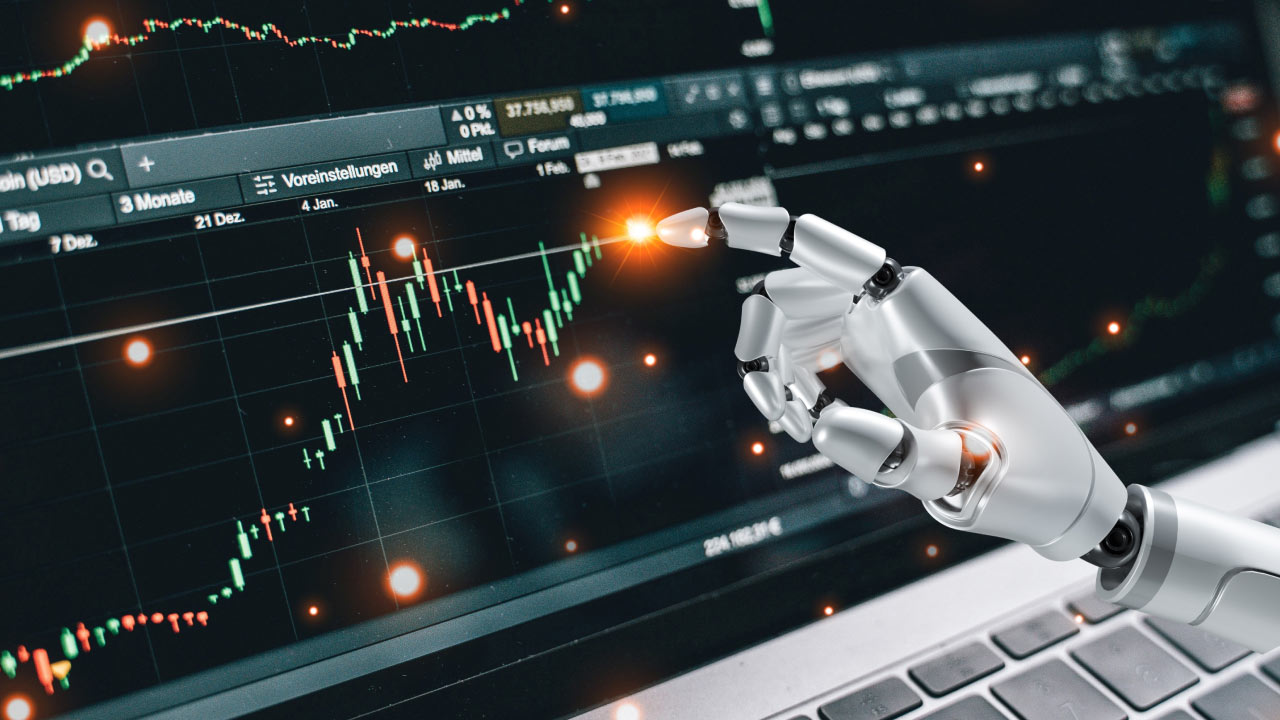
Benefits and Risks of Using AI in Trading: A robotic hand interacting with a forex trading chart on a computer screen, symbolizing AI-driven trading strategies.

Trading futures, especially on popular indices like the S&P 500, offers traders exciting opportunities to profit from market movements. However, success in futures trading heavily depends on the trading platform you use. Selecting the best futures trading platform can significantly impact your ability to analyze markets, execute trades efficiently, and manage risk effectively. This article will guide you through the essentials of trading S&P 500 futures and how to choose the right futures trading platform to maximize your profits.


Understanding S&P 500 Futures

The S&P 500 futures contract is a popular derivative that allows traders to speculate on the future value of the S&P 500 index, which represents 500 of the largest publicly traded companies in the United States. Trading S&P 500 futures enables investors to gain exposure to the overall market movement without owning individual stocks. These contracts are standardized agreements to buy or sell the index at a specified price and date in the future.

S&P 500 futures are highly liquid and offer extended trading hours, making them ideal for day traders, swing traders, and hedgers alike. Because futures involve leverage, they can amplify gains but also increase potential losses, emphasizing the need for a robust trading platform and solid risk management.


Key Features to Look for in the Best Futures Trading Platform

Choosing the best futures trading platform requires evaluating several critical features to ensure it aligns with your trading style and goals. Here are the most important aspects to consider:

User-Friendly Interface: A clean, intuitive platform reduces the learning curve and helps you execute trades quickly, which is essential in fast-moving futures markets.

Real-Time Data and Analytics: Access to real-time quotes, charts, and technical indicators enables timely decisions. Advanced charting tools allow for detailed market analysis.

Order Execution Speed: Futures markets can change rapidly. Platforms with low latency and fast order execution reduce slippage and improve trade accuracy.

Risk Management Tools: Features like stop-loss orders, take-profit targets, and margin alerts help manage exposure effectively.

Customization: The ability to customize charts, indicators, and workspace improves efficiency and suits individual trading strategies.

Mobile Compatibility: With markets running around the clock, a reliable mobile app ensures you can monitor and manage trades anytime, anywhere.

Support and Education: Access to customer support and educational resources can be invaluable, especially for beginners.


Popular Platforms for Trading S&P 500 Futures

Several trading platforms have built reputations for offering excellent futures trading capabilities. Here are some well-regarded options:

MetaTrader 5 (MT5): MT5 is a multi-asset platform popular among futures traders for its advanced charting, technical indicators, and automated trading capabilities. It supports custom Expert Advisors (EAs) and is favored for its reliability and broad broker compatibility.

Thinkorswim by TD Ameritrade: Known for its powerful analysis tools and user-friendly design, Thinkorswim provides extensive futures trading features, including real-time data and customizable risk management tools.

NinjaTrader: NinjaTrader is designed specifically for futures and forex trading, offering advanced charting, market analytics, and an active trading community. Its platform supports algorithmic trading and strategy backtesting.

TradeStation: TradeStation offers professional-grade tools with a strong focus on futures and options traders. It provides extensive customization and automation options.

Each platform has its strengths, so choosing the best one depends on your specific needs, trading frequency, and budget.


Tips for Trading S&P 500 Futures Successfully

While choosing the right platform is essential, successful futures trading also requires solid strategies and discipline.

Start by understanding market hours and volatility. The S&P 500 futures trade nearly 24 hours, but liquidity can vary. Knowing when the market is most active helps in timing trades.

Use technical indicators such as Moving Averages, RSI, and MACD to identify trends and momentum. Many platforms provide these indicators built-in, so mastering their use can enhance your decision-making.

Risk management is critical. Always use stop-loss orders to limit potential losses and avoid over-leveraging your account. Trading with leverage increases both profits and losses, so managing position sizes is vital.

Practice trading on a demo account before risking real capital. Most top futures trading platforms offer demo modes to test strategies without financial risk.

Stay updated with economic news and market events, as they can significantly impact the S&P 500 index. Incorporate fundamental analysis along with technical tools for a holistic trading approach.


Conclusion

Trading S&P 500 futures presents a lucrative opportunity for traders looking to capitalize on broad market movements. However, to maximize your profits and manage risks effectively, choosing the best futures trading platform is paramount. Look for platforms that offer fast execution, real-time data, robust risk management tools, and customization to suit your trading style.

Platforms like MetaTrader 5, Thinkorswim, NinjaTrader, and TradeStation stand out as top choices for futures traders, each offering unique features to enhance your trading experience. Coupled with disciplined trading strategies, proper risk management, and continuous learning, the right platform can significantly boost your success in trading S&P 500 futures.


0

Global Expansion Insights from Leading Prop Firms in the UK and Germany


Posted on November 14, 2025 by AlexSmith

In the world of modern trading, prop firms play a key role in empowering traders to utilize advanced tools, access larger capital, and enhance their strategies. Both the Best prop firm in UK and the Best prop firm in Germany have become examples of how innovation and structure can drive success for traders across different regions. These firms not only focus on capital support but also prioritize trader development, risk management, and global collaboration. Understanding their expansion insights provides valuable lessons for anyone aiming to grow in the prop trading environment.

The Concept of Prop Firms
A proprietary trading firm, or prop firm, is a company that provides traders with access to capital in exchange for a share of their profits. Instead of using personal funds, traders can trade with the firm’s resources, allowing them to focus on strategy and performance. The Best prop firm in UK has established a reputation for offering structured trading opportunities, mentorship, and advanced tools that help traders succeed. Similarly, the Best prop firm in Germany focuses on discipline, technical expertise, and consistent trading practices that strengthen trader capabilities.

The Rise of Prop Firms in the UK
The UK has long been a financial hub, known for its dynamic trading culture and strong financial institutions. The Best prop firm in UK builds on this legacy by creating an ecosystem that supports both experienced traders and beginners. These firms have recognized the need to balance freedom and discipline—allowing traders to use flexible strategies while following robust risk controls. With global recognition, UK-based prop firms are now expanding into international markets to attract talent and diversify their operations. This global vision not only strengthens their brand but also creates opportunities for traders from around the world to join a well-managed trading environment.

Germany’s Strategic Approach to Prop Trading
The Best prop firm in Germany stands out for its structured and methodical approach to trading. German firms often emphasize precision, data-driven strategies, and consistency in performance. Their focus lies in building solid risk management systems and nurturing traders who understand both market behavior and disciplined execution. As these firms expand, they continue to prioritize education and advanced analytics, helping traders make informed decisions in a constantly changing financial landscape. Germany’s growing prop trading scene reflects a commitment to innovation and long-term sustainability, attracting traders who appreciate structured and transparent trading setups.

Connecting the UK and Germany in Global Prop Trading
When we look at the Best prop firm in UK and the Best prop firm in Germany, it becomes evident that both countries share a commitment to advancing global trading practices. The connection between these two markets is built on shared principles such as trust, discipline, and continuous learning. Many traders from Europe now benefit from collaborations between UK and German prop firms, gaining access to diverse trading strategies, educational programs, and international mentorship networks. This partnership-driven approach has made both regions important centers of prop trading excellence.

Expansion Insights and Global Opportunities
The global expansion of prop firms from the UK and Germany is a reflection of how the trading industry is evolving. The Best prop firm in UK leverages technology to reach traders worldwide, offering remote access to trading platforms, evaluation programs, and account funding. Meanwhile, the Best prop firm in Germany focuses on building relationships with international trading communities, promoting responsible and transparent trading models. Together, these efforts create a cross-border environment where traders can grow without being limited by geography. Expansion is not just about opening offices in new countries—it is about creating networks, partnerships, and shared opportunities that enrich the trading experience for everyone involved.

Technology and Trader Support Systems
Both the Best prop firm in UK and the Best prop firm in Germany rely heavily on technology to deliver seamless trading experiences. Platforms like MetaTrader 5 (MT5) and other advanced tools enable traders to analyze markets, automate strategies, and monitor performance efficiently. These technological advancements also help firms manage risks and maintain transparency in trader evaluations. Beyond platforms, top firms emphasize education, mentorship, and psychological support—ensuring traders have the mindset and skills needed to handle market pressure. By combining digital tools with human guidance, these prop firms set high standards for global trading practices.

Training and Development in Prop Firms
Another defining characteristic of both UK and German prop firms is their dedication to trader education. The Best prop firm in UK often includes structured learning paths, simulation environments, and feedback systems to help traders improve over time. Similarly, the Best prop firm in Germany invests in continuous training, focusing on technical analysis, risk control, and emotional discipline. This commitment to learning transforms prop trading from a short-term activity into a professional career. Expansion has allowed these firms to share their educational frameworks globally, inspiring new traders to join the world of professional trading with the right mindset and skillset.

Cultural Impact on Trading Practices
Cultural differences between the UK and Germany have also shaped their trading approaches. The Best prop firm in UK is often known for encouraging flexibility and creative trading strategies, allowing traders to explore various markets and timeframes. The Best prop firm in Germany, on the other hand, tends to emphasize structure, analytical precision, and long-term consistency. When these approaches are combined through global partnerships, traders gain exposure to a well-balanced trading culture—one that values innovation without compromising discipline. This cultural blend enriches global prop trading standards and helps firms expand their influence beyond their national borders.

The Future of Global Prop Trading
As prop firms in the UK and Germany continue to expand, the future looks promising for traders worldwide. Global collaboration between these firms is leading to more inclusive trading environments, improved technology, and better access to funding. The Best prop firm in UK will likely continue to push innovation through global outreach and digital transformation, while the Best prop firm in Germany will strengthen its position through precision, structure, and reliability. Together, their growth paths represent a blueprint for how prop firms can shape the future of professional trading.

Conclusion
The journey of the Best prop firm in UK and the Best prop firm in Germany offers valuable insights into how global expansion can redefine the trading landscape. Both regions bring their strengths—innovation, structure, technology, and education—to create a sustainable and inclusive trading environment. As they expand globally, they are not only offering traders access to capital but also providing them with the tools, knowledge, and guidance needed to succeed. The collaboration and growth between these two powerful trading regions symbolize the evolution of modern prop trading—where success is built on connection, education, and continuous improvement.


0