October 1, 2024

The Exciting Earth Of Casinos A Target Of Fun And Fortune


Posted on October 1, 2024 by quadro_bike

Casinos have become synonymous with glitz, bewitch, and the to win big. These establishments have been around for centuries, but their popularity shows no sign of slowing down. From the active lights of Las Vegas to the neon-lit streets of Macau, casinos have become a international phenomenon, attracting millions of populate from all around the world. So, what makes these play houses so overwhelming? Let’s take a closer look at the enthralling earthly concern of casinos.

The conception of casinos can be traced back to ancient times. The word”casino” originated from the Italian word”casa,” which substance a modest body politic Doroteo Arango, gazebo, or social club. These were the first places where people concentrated to take a chanc, and the practise speedily spread out to other parts of Europe and Asia. As time went by, casinos evolved into wasteful and luxurious establishments, offer a variety show of amusement options like live shows, fine , and luxuriousness accommodations, in summation to traditional play.

One of the main reasons for the popularity of casinos is the thrill of the game. From slot machines to card games like poker and blackjack, there is something for everyone. The adrenaline rush one feels when placing a bet and the exhilaration of victorious against all odds is an undergo like no other. Casinos volunteer different levels of risk, which means that whether you are a tiro or a high-roller, there is a game for you.

But it’s not just the games that pull in populate to casinos; it’s also the ambiance. The flashing lights, loud medicine, and the chatter of populate create an electrifying standard pressure that is hard to stand. Casinos are also designed to be esthetically favourable with their complex computer architecture, shower d cor, and stunning views. These add to the overall experience and make a trip to the casino a unforgettable one.

Aside from the entertainment panorama, casinos also suffice as a seed of income for many. Jobs in casinos are diversified and admit roles such as dealers, pit bosses, managers, and surety personnel office. The taxation generated from these establishments also profit the local anesthetic economy, as casinos pay taxes and subscribe local anaesthetic businesses.

However, with the rise of online gaming, the popularity of traditional casinos has pug-faced some challenges. But traditional casinos are adapting, using applied science to heighten the player’s go through. For example, some casinos now offer RFID-enabled chips and card game, which make it easier to keep cut through of bets and winnings. They also offer Mobile apps for customers to play anytime and anywhere. Despite these advancements, there is no denying the unusual experience of being in a natural science gambling casino.

Moreover, casinos are not just about play. They have also played a considerable role in promoting tourism intercontinental. Cities like Las Vegas, Atlantic City, and Macau are known for their casinos and draw i millions of tourists every year. These cities volunteer a straddle of amusement options, including shopping, rubber-necking, and unique experiences like zip-lining between casinos in Las Vegas or observation water shows in Macau.

In conclusion, prada555 s have become an whole part of our amusement . They offer a wide range of games, a thrilling standard pressure, and the chance to win big. These establishments also ply employment opportunities, subscribe the topical anesthetic economy, and promote tourism. They preserve to germinate with the multiplication, adapting to new trends and technologies, but the excitement and tempt of a physical casino experience stiff unbeatable. So, the next time you’re touch prosperous, why not try your hand at a game of in one of these enchanting establishments?

0

Forensic Detectors 101 What Every Investigator Needs to Know


Posted on October 1, 2024 by AQ

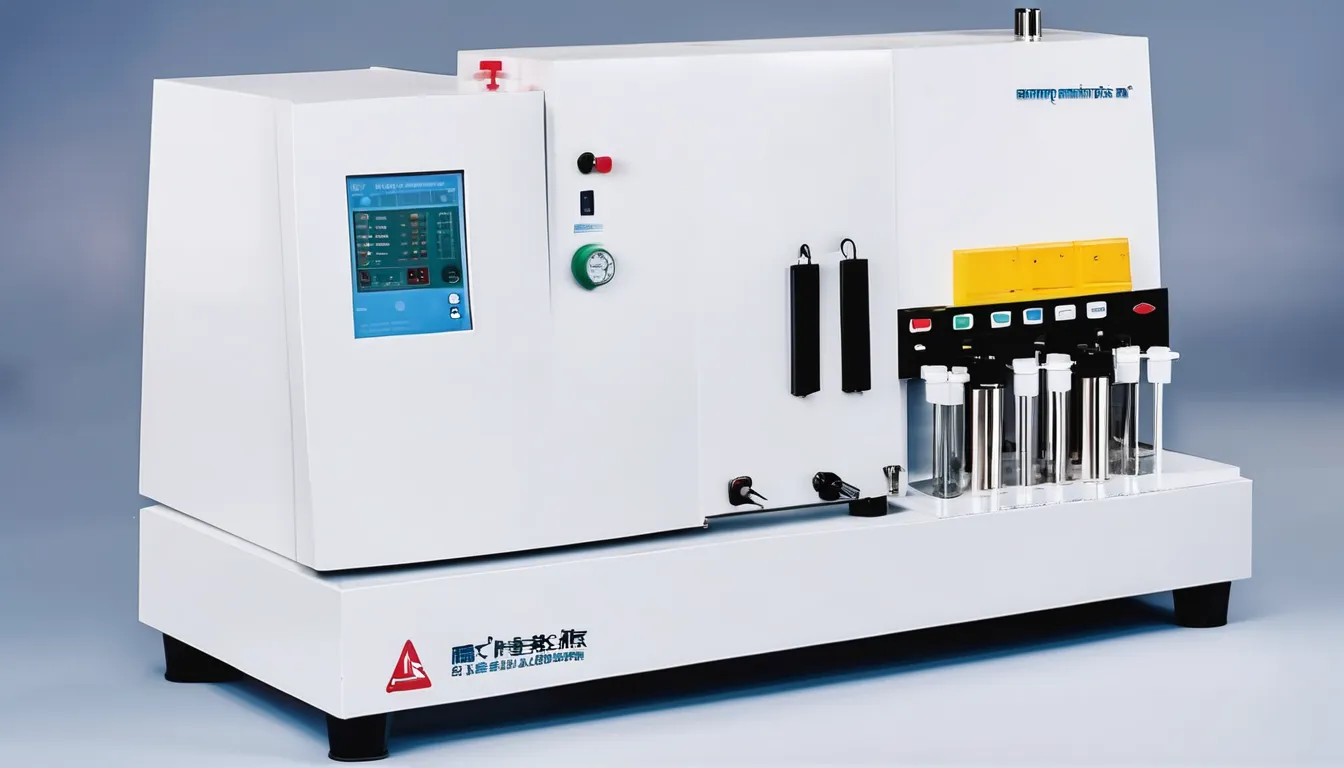
You’re no stranger to the importance of gathering evidence at a crime scene, but do you know the best tools to help you analyze it? Forensic detectors are crucial in identifying and analyzing substances, objects, and materials, but with so many types to choose from, it can be overwhelming. From chemical and biological detectors to radiation and metal detectors, each has its unique applications and capabilities. You’ll want to understand the differences to effectively employ these tools and crack complex cases. But where do you start, and which detector is right for your investigation?

Types of Forensic Detectors

In the world of forensic science, you’ll encounter various types of forensic detectors that help investigators gather evidence and crack cases.

These detectors are designed to identify and analyze specific types of evidence, and they can be categorized into several main types.

One type is the chemical detector, which is used to identify and analyze chemical substances such as narcotics and explosives.

Another type is the biological detector, which is used to identify and analyze biological substances such as DNA and bloodstains.

You’ll also come across physical detectors like fingerprint and footprint detectors, which are used to identify and analyze physical evidence left at a crime scene.

Other types of forensic detectors include radiation detectors, which are used to identify and analyze radioactive substances, and metal detectors, which are used to locate and analyze metal objects.

Additionally, there are specialized detectors like accelerant detectors, which are used to identify and analyze substances that can accelerate fires.

Understanding the different types of forensic detectors is crucial for investigators to gather and analyze evidence effectively.

How Forensic Detectors Work

Forensic Detectors 101

======================

How Forensic Detectors Work

—————————–

Typically, forensic detectors work by detecting and analyzing specific types of energy or matter emitted or reflected by the evidence being examined.

As you use these detectors, you’ll notice that they’re designed to identify specific characteristics or properties of the evidence.

When you use a forensic detector, it’s essential to understand the underlying principles that make it work. Here’s what you need to know:

  • *Sensors and probes*: Many forensic detectors use sensors or probes to detect and analyze energy or matter. These sensors or probes can be designed to detect specific wavelengths of light, temperatures, or chemical compositions.
  • *Signal processing*: The signals detected by the sensors or probes are then processed and analyzed to identify patterns or characteristics that can help you understand the evidence.
  • *Comparison to known samples*: Forensic detectors often compare the detected energy or matter to known samples to help identify the evidence. This comparison can be done using databases or reference materials.
  • *Data interpretation*: The final step in using a forensic detector is interpreting the data. This involves analyzing the results to understand what they mean and how they can be used in your investigation.

Common Detector Applications

You’ll commonly use forensic detectors in various applications, from analyzing evidence at crime scenes to identifying substances in laboratories. At crime scenes, you’ll use detectors to identify explosives, narcotics, and other hazardous materials, helping you assess the situation and ensure officer safety.

You’ll also use detectors to analyze evidence, such as identifying accelerants in arson cases or detecting poisons in toxicology cases.

In laboratories, you’ll use detectors to identify unknown substances, such as analyzing DNA evidence or identifying fibers and textiles.

Detectors are also used in quality control applications, such as analyzing pharmaceuticals or detecting contaminants in food and water.

Additionally, detectors are used in customs and border control, helping to identify contraband and smuggled goods.

In all these applications, forensic detectors provide critical information, helping you make informed decisions and solve complex cases.

Choosing the Right Detector

Effective detection starts with selecting the right tool for the job. Choosing the right detector can be overwhelming, especially with the numerous options available in the market.

You need to consider several factors to ensure you pick the most suitable detector for your specific needs.

When selecting a detector, you should consider the type of substance or evidence you’re trying to detect, the environment where the detection will take place, and the level of sensitivity required.

Here are some key factors to consider:

  • Sensor type: Different detectors use various sensor types, such as ion mobility spectrometry, mass spectrometry, or infrared spectroscopy. Each sensor type has its strengths and limitations.
  • Sensitivity and selectivity: Consider the minimum detectable limit and the detector’s ability to distinguish between similar substances.
  • Portability and durability: Choose a detector that’s suitable for your working environment, whether it’s a laboratory or a field setting.
  • Certifications and compliance: Ensure the detector meets relevant industry standards and regulations.

Best Practices for Use

With the right detector in hand, it’s time to turn your focus to optimizing its performance. You’ll want to start by following the manufacturer’s guidelines for calibration, maintenance, and operation.

Regularly calibrating your detector ensures accuracy and prevents false readings. Also, make sure you’re using the correct sampling method for the substance you’re trying to detect.

When collecting evidence, it’s essential to handle it carefully to avoid contamination. Wear gloves and use sterile equipment to minimize the risk of false positives.

You should also take multiple readings to confirm your results. This helps to rule out any potential errors or interference from other substances.

In addition to following these best practices, it’s crucial to keep detailed records of your detector’s performance, including calibration dates and maintenance history.

This information can be critical in court if your evidence is challenged. By following these guidelines, you can ensure that your detector is working at its best and that your evidence is reliable.

Conclusion

You’ve now got the lowdown on hydrogen sulfide sensor ensic detectors. From chemical to metal detectors, each plays a crucial role in analyzing evidence at crime scenes. By understanding their working principles, applications, and best practices, you’ll be better equipped to crack tough cases. Remember to choose the right detector for the job and follow proper protocols to ensure accurate results. Effective use of forensic detectors can be the difference between solving a case or not.


0